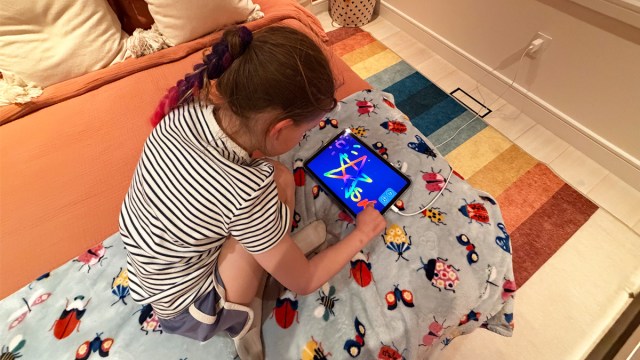
My daughter Edie is a bona fide art kid. When we’re home, if markers or paints aren’t involved, she’s pretty uninterested. After watching hours of learn-to-draw videos on YouTube, her favorite thing to do is host bossy art tutorials for her parents. It took her years to be remotely interested in a screen—she couldn’t make it through one Bluey episode at an age when her brother could sit through the entire Cars trilogy. And a tablet? Forget it. But that meant even in kindergarten, we were always on call to entertain her, and sometimes we just needed a break.
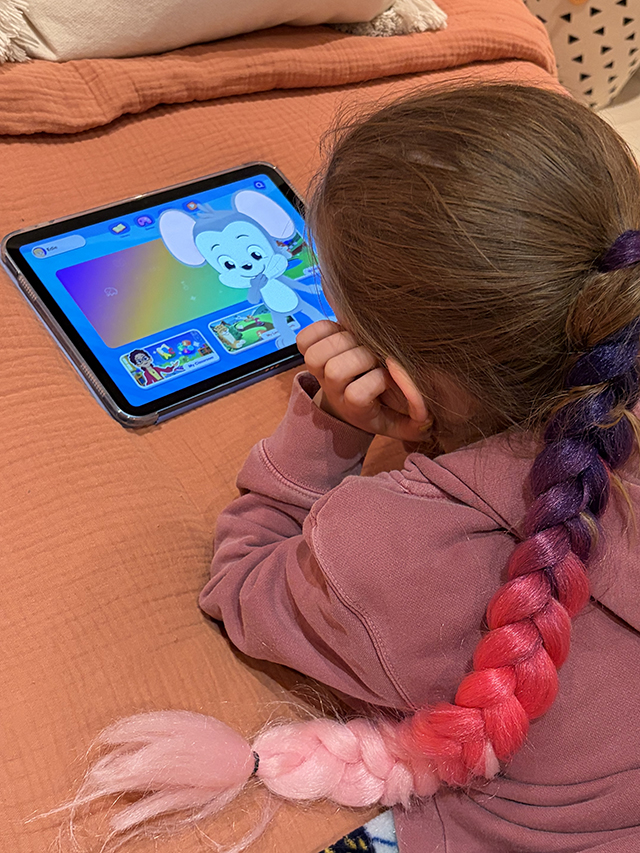
So when I sat her down with the newly reimagined ABCmouse app and told her to explore, I was genuinely curious how long it would take before she handed it back.
And then…she didn’t.
How ABCmouse hooked my kid
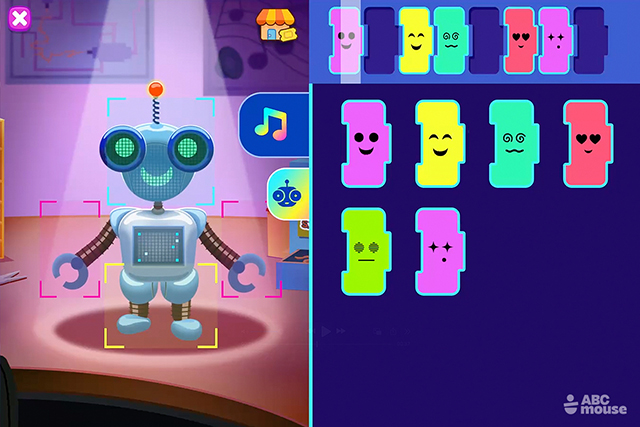
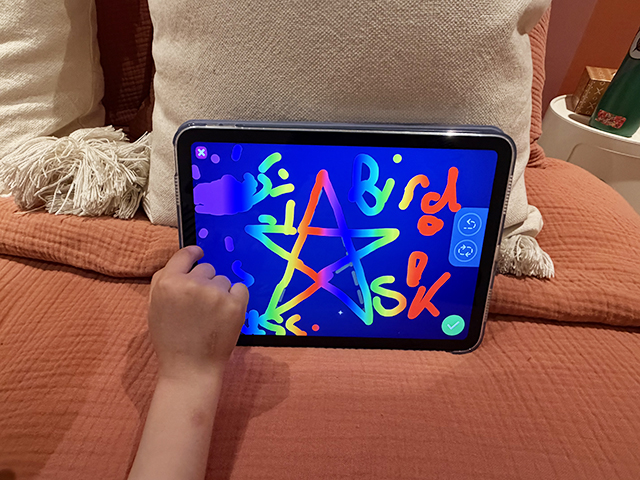
Instead, she quickly found her way to the daily learning quests, where she chose activities that interested her: tracing words with a rainbow “marker,” practicing her addition skills in a Super Mario-style dinosaur game, learning fun facts about snails, and creating her own avatar (complete with orange Crocs, her favorite color!).
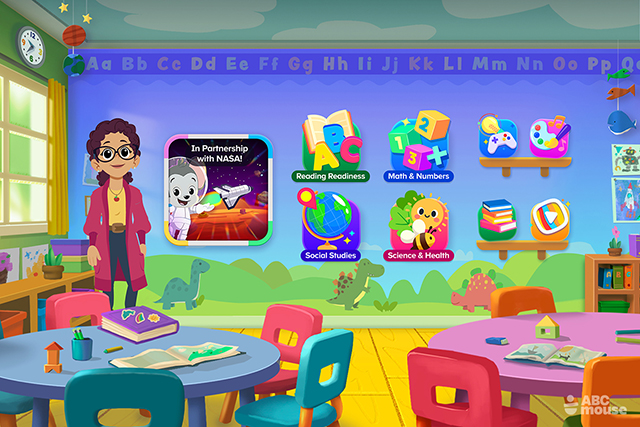
The version of ABCmouse that exists now isn’t the one you might remember. The app has been completely rebuilt with an award-winning curriculum and over 13,000 activities spanning reading, math, science, coding, life skills, and more. But what really comes through in the design is that someone made a genuine decision about who this is for. While a generic early learner will find plenty of fun here, they also thought about kids like mine, who need a reason to care before they’ll engage.
For Edie, that reason was almost always art.
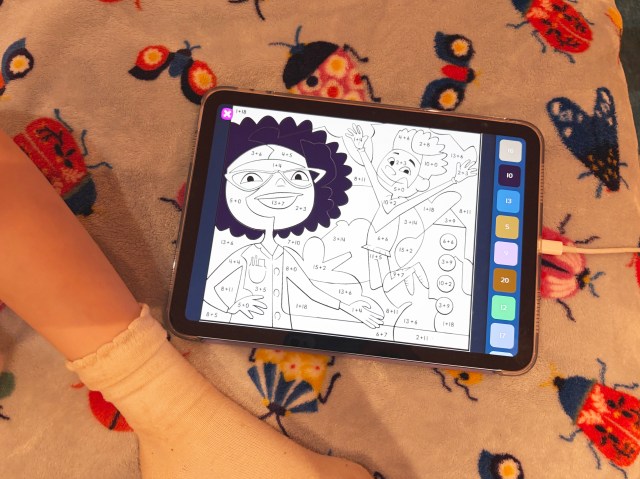
There’s a section of the app dedicated to art and music, one that weaves academic learning into visual, creative fun. She loved choosing a black-and-white picture to bring to life with brightly colored patterns, or tapping a piano-style tile game to perform songs. But the one that got me was a paint-by-number project where each color represented an answer to a math problem, letting her flex her creativity while practicing her subtraction.
This matters more than it sounds. The apps that don’t hold her attention have a tell: they treat creativity as a carrot. Do the learning part, then you get to do the fun part. Edie has always been able to sniff this out, and she resents it. What made her stay with these particular activities was that there was no negotiation. The math was the art project.
Something for everyone
I’ll be fair about what she didn’t love, too. Most of the games didn’t hold her attention the same way the art activities did, aside from the math ones. She tried the Monster Stacking game, gave it a minute, and moved on. The fact that she had genuine preferences (enthusiasm for some things, vocal indifference toward others) actually helped me trust the experience. She doesn’t have to love it all, much like how I enjoy some NYT games more than others.
This also speaks to the app’s personalization, which adapts to each child’s age and ability over time. In practice, some things are just going to land differently for different kids, and that’s fine, because there’s plenty of room to find what sticks.
Where Edie was indifferent, my nine-year-old son fell hard, despite perhaps being a little too old for the app. He played as many activities as he could to earn tickets to build out his My World space, where you can decorate your room, collect pets, and earn new clothing and tunes.
He worked hard to save up tickets for items he wanted (as many hamsters as possible) and took care of his pets. I can see Edie getting into this eventually; she’s a natural nurturer, but doesn’t yet have the patience to wait for rewards. The daily challenges feature, which gives kids a structured set of activities to work through each session and unlocks an adorable dance party when they finish, also feels made for that prize-motivated kid. For Edie, it was optional background architecture. For him, it would have been the whole point.
Independent learning for the win
What I keep coming back to is how little she needed me during any of this. The app is built for a child to navigate on their own, ad-free, and designed around what keeps a kid aged 2–8 interested but not overwhelmed. Cool partnerships mean space-loving kids can learn from NASA, sporty ones get activities from the MLB, and the San Diego Zoo has the goods for animal lovers. To get a picture of where Edie was spending her time without having to hover, I could track her progress in the parent portal.
There’s a finding I want to mention because it’s the kind of thing I’d want to know. A randomized control trial found that children who used ABCmouse accelerated their growth in reading and math by 2x compared to kids who didn’t. The study was conducted with PreK children using the app at least twice a week and for at least an hour per week. (You can read the full research here.) I’m not going to oversell what that means for any individual child, because research is research, and your kid is your kid, but it’s worth knowing the claims are backed by something real, and not just marketing language.
What I can tell you from our own non-scientific observation: Edie’s paint-by-subtraction pictures are being filled in faster now than when she first started using the app. Last time I watched her play, after a few weeks, she was using her fingers less and thinking the answers through more quickly.
ABCmouse has a free Basic plan and is offering a Premium plan at $14.99/month (until canceled) with a 30-day free trial. Both are ad-free, but the free plan limits kids to a certain number of daily activities and one child profile. Premium unlocks unlimited activities, personalized learning paths for up to three kids, and full access to parent tools.
Edie still hosts her bossy art tutorials. She’s still covered in marker most afternoons. But now, occasionally, she’s also doing math—and she’s not mad at it. In the end, both my kids found something in ABCmouse, just completely different things. That might be the most honest endorsement I can give: an app that worked for a prize-motivated nine-year-old boy and a paint-obsessed six-year-old girl, for entirely different reasons, is doing something right.
With summer break around the corner, try ABCmouse to keep your kiddos playing, creating, and learning about the things they love most, no matter what those happen to be.