In 2021, family YouTuber Jordan Cheyenne posted a video titled “We Are Heartbroken,” telling her 500,000 subscribers that her son’s new puppy had been diagnosed with a potentially deadly illness. Included in the footage, seemingly by accident, was an unedited clip of Cheyenne coaching her son on how to pose for the video’s thumbnail, telling him to act like he was crying. “I am crying,” he said, but she continued modeling ways for him to pose his hand and face.
You might remember seeing this story at the time. The backlash was swift, and the clip became a flashpoint in a much bigger conversation: intimate moments, like a child’s fear, grief, or distress, have become the centerpiece in the world of family influencers, monetized for engagement rather than protected as private.
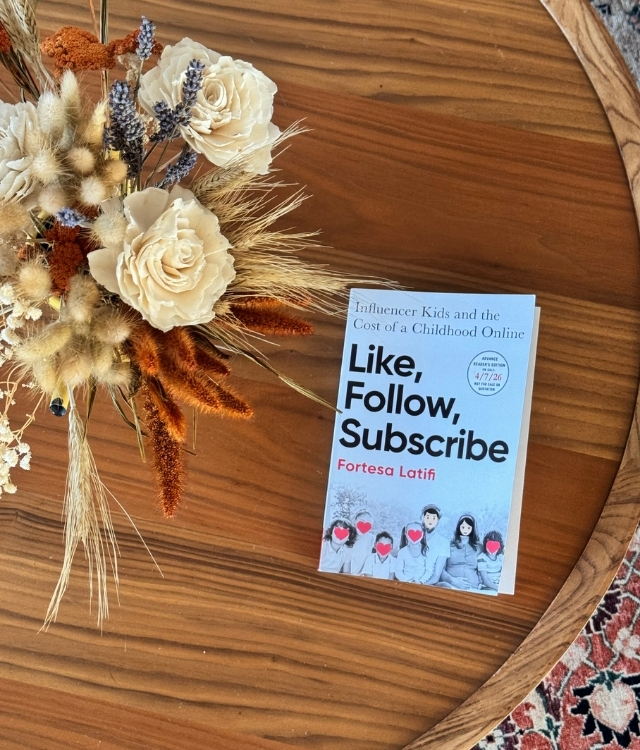
Fortesa Latifi, author of Like, Follow, Subscribe: Influencer Kids and the Cost of a Childhood Online, is an expert on the matter. What began as a trend story for Teen Vogue grew into a book examining the world of parent influencers: the curated lifestyles, the public’s fascination with moments that should stay private, and how thin the line between reality and content becomes for kids raised in front of a camera.
Late Gen Z and Gen Alpha kids are the first generations to have been documented online since birth. Social media wasn’t a thing before 2005; Facebook was still just for college students, YouTube was a fledgling company, and Instagram and X (formerly known as Twitter) didn’t exist. With the rise of these digital platforms, millennial parents felt the need to share every moment, a habit that’s been hard to break.
At first, connecting with friends and followers online seemed fun and exciting. But after nearly 15 years of constant exposure and posting, the consequences are becoming clear. Growing up under a digital microscope has real effects on today’s youth.
In Like, Follow, Subscribe, Latifi discusses the extremely sensitive content she’s seen parenting vloggers and influencers post, from potty training to medical emergencies to making period kits for tween daughters. “Nothing is too personal to be #sponsored, and everything is potential content,” she writes.
It’s a pattern Latifi couldn’t ignore. “One of the things that really struck me was that multiple parent creators who went on the record with me said that the content that does best for them is content where their kid is sick or sad or injured, so kind of in distress in some way, and that was really difficult to hear,” She says. “I think I had this instinct that it was true, but for them to say it, know it, and consciously make a decision to film and upload it felt very different to me.”
Latifi’s daughter was just four months old while she was writing the book, which Latifi sold at seven months pregnant and submitted at seven months postpartum. Like so many new mothers, she found herself scrolling through TikTok, watching other moms put their babies to sleep, hoping to pick up a few tips to survive the early days. But at what point did the videos become too much of a window into the children’s lives?
After all, sharing your own experience is one thing; sharing a child’s before they’re old enough to understand what being online even means is another.
“I do think there’s a way to both allow women to share their experiences of motherhood and parenting while simultaneously protecting the privacy of the children involved. And there’s a big difference between being the child of a mom influencer who sometimes shares stories of your bedtime routine and being the child of a family vlogger who is used to living with a camera in their face,” she writes.
It’s a balancing act—and Latifi is quick to acknowledge the other factors at play. Financial security comes up again and again in the book: many parenting influencers have built real futures for their families through content and sponsorships. She’s interviewed teen moms, mothers who once lived in Section 8 housing, and stay-at-home moms who’ve become their family’s sole breadwinner through this work, which is something worth taking seriously. “Some of these families had no stability before starting this career, and now they have financial opportunities that they may have never had otherwise, and obviously, we can’t overlook how critical it is for a child to grow up with that kind of stability,” she says.
But it’s possible to share in a safer way. While some content creators have always managed to do so, some of the most popular influencers have joined them in recent years. Amber Fillerup Clark was one of the first well-known mommy influencers to take her kids offline, back in 2022. Maia Knight stopped sharing her kids’ faces with her then-8 million TikTok followers soon after, and Aspyn Ovard, who has 2.4 million on Instagram, followed in 2023.
So what does their content look like now? Some borrow a page from the old mommy-blogger playbook, focusing on their own parenting journey. Others cover their kids’ faces with emojis or only show them from behind. That way, they’re sharing stories about motherhood and parenting without putting their kids front and center.
“I don’t want moms to not have anywhere to go to look for this experience, or that if you put your kids online, then you’re a bad parent. I think it’s very complicated. I [looked to] creators many times in my pregnancy and postpartum journeys, but I’d rather they [share] in a way that kind of straddles that line,” she says.
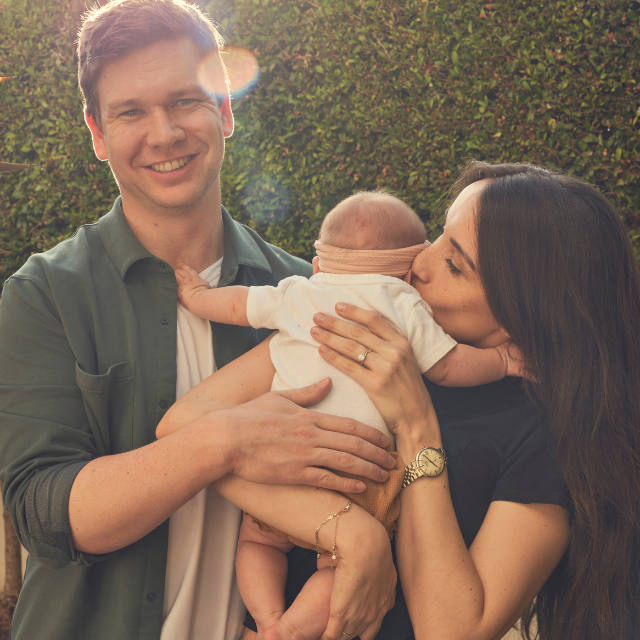
The same standards apply to those of us who aren’t in the business. To share your experience with a teething baby, keep the focus on you, not your child’s distress. Post the beach photos, but skip the ones that show your child’s full face or body. These are the small adjustments that let you document your life without exposing theirs.
Latifi’s research has also led to words of wisdom for fellow parents. “I would always counsel parents to think about keeping their children out of vulnerable situations online, not showing them in any stage of distress, because I think that’s so personal and intimate,” she says.
After conversations she’s had with the FBI, she cautions about the stages of undress you’re posting children in. “I wouldn’t post a baby in just a diaper, and I wouldn’t even think about a swimsuit,” she says. “Try to think about your child in the future and whether they would appreciate having that shared because some things are cute and funny when you’re two that probably are not as cute and funny when you’re 12.”
None of this means you have to stop sharing. Not showing their faces, a close-friends-only list on Instagram, a private photo-sharing app like Tinybeans—there are plenty of ways to safely document your parenting journey. The goal isn’t to disappear from social media; it’s to make sure your kids, who don’t get a say in any of this, are protected while you do.
Latifi’s witnessing this shift firsthand, both in young millennials and older Gen Z parents. “I see more and more regular people who are not influencers making that choice. Now I’m 33, and my friends have kids. It’s kind of a coin toss whether they’re going to show them online or not, which I think is really interesting, because three or four years ago, it wouldn’t have been a question,” she says.
For more on parenting, influencer culture, and raising kids online, grab a copy of Like, Follow, Subscribe: Influencer Kids and the Cost of a Childhood Online here.