This year has demonstrated the importance of having open and honest discussions with our children about topics like racism, and Sesame Street is here to help.
The nonprofit educational organization behind Sesame Street, Sesame Workshop has created a brand new special that will discuss racism and help empower kids to stand up to it. The Power of We: A Sesame Street Special is designed so children and families can watch together and will air on HBO Max, PBS KIDS and PBS stations starting Thur., Oct. 15 and will also re-air throughout October and November on PBS stations and the PBS KIDS 24/7 channel.
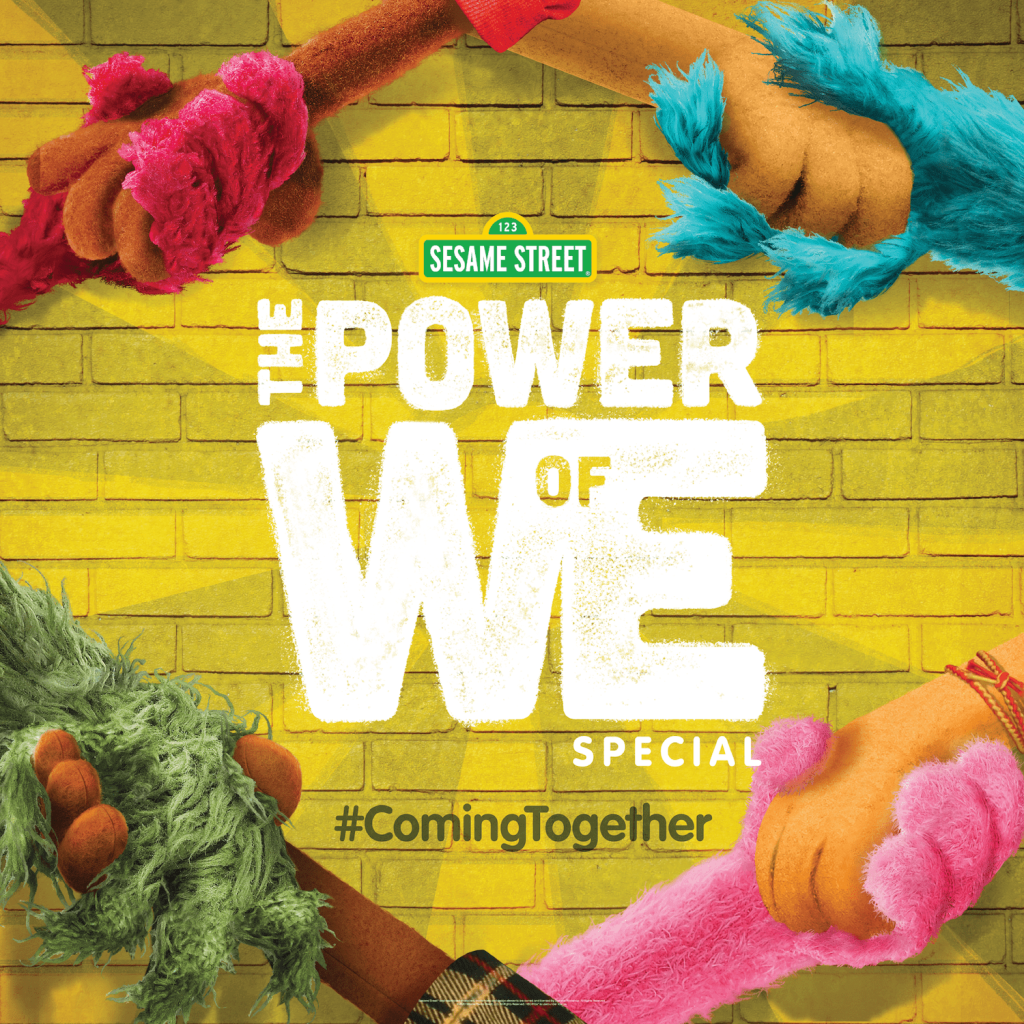
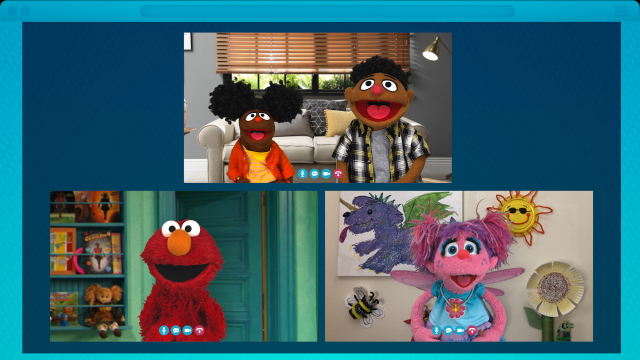
The special will feature Elmo Abby Cadabby, 6-year-old Muppet Gabrielle and her cousin, 8-year-old Tamir. The characters will learn how to become “upstanders” to unfair treatment based on skin color.
Human cast members will include Alan, Charlie, Chris, and Gordon and celebrity and musical guests Yara Shahidi, Christopher Jackson, and Andra Day. Families will learn two new songs in the special, including “How Do You Know?” and “Listen, Act, Unite!”
For parents wanting additional help, Sesame Workshop has created a companion guide they can use to talk about the special with their children. The guide can be found at SesameStreet.org/PowerofWe.
––Karly Wood
All photos: Courtesy of Sesame Street
RELATED STORIES
These Batteries Taste Terrible––Here’s Why
KIDZ BOP Introduces Resources to Keep Kids Engaged & Active
Study Shows Parental Touch Reduces Pain Responses in Babies’ Brains